Enterprise Order Management Modernization
- Mobile UX
- eCommerce
- Research
In brief
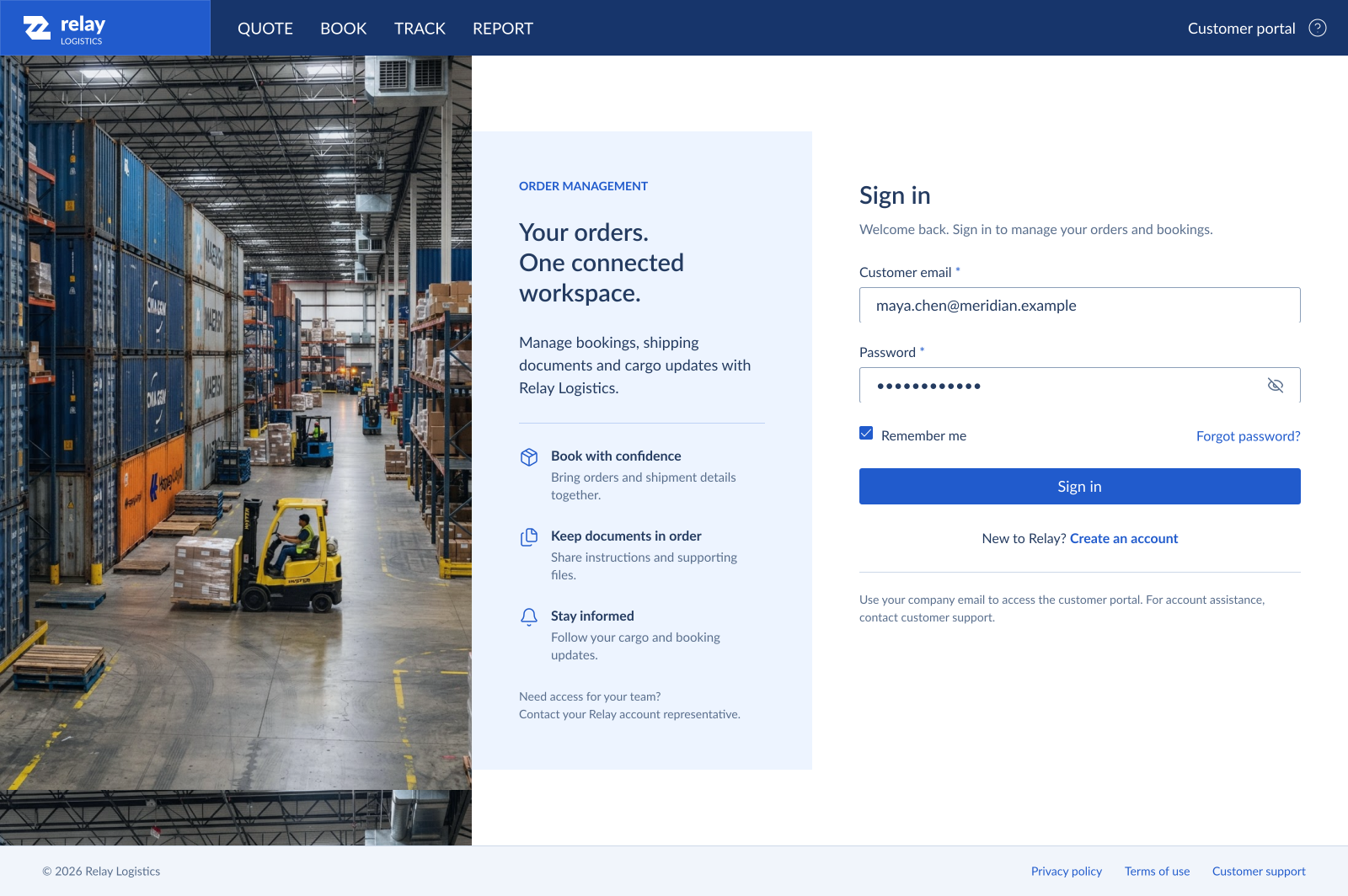
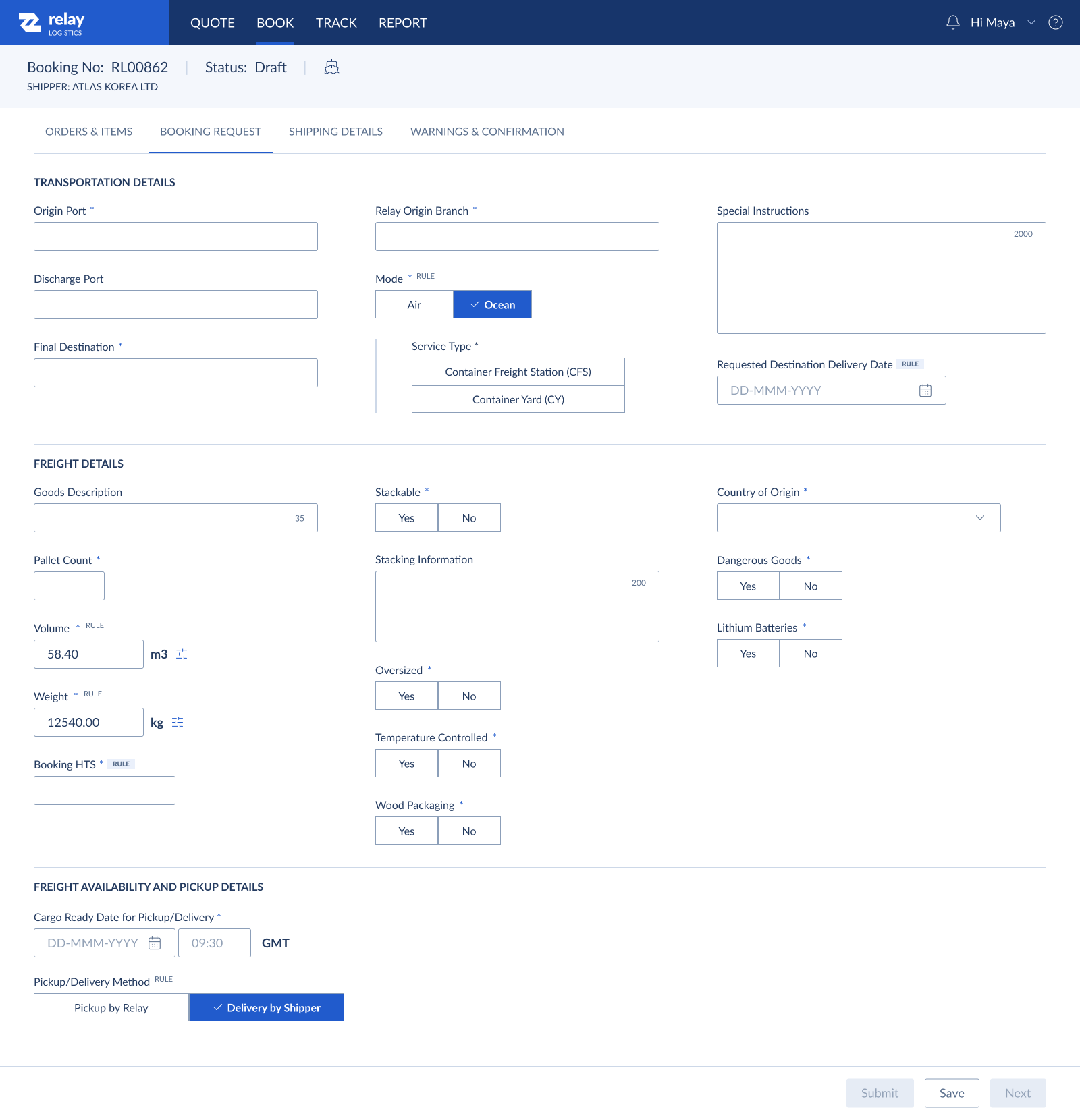
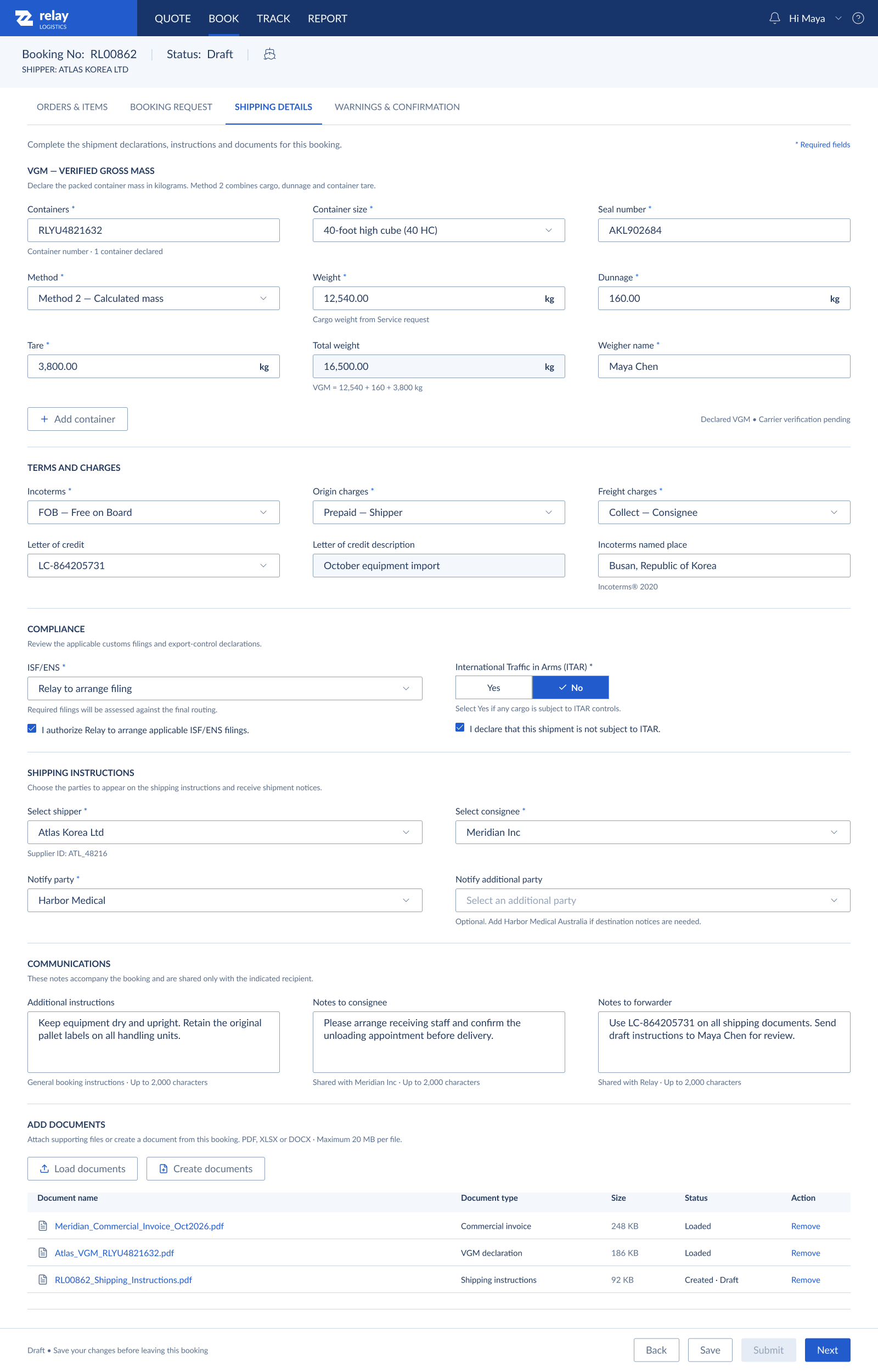
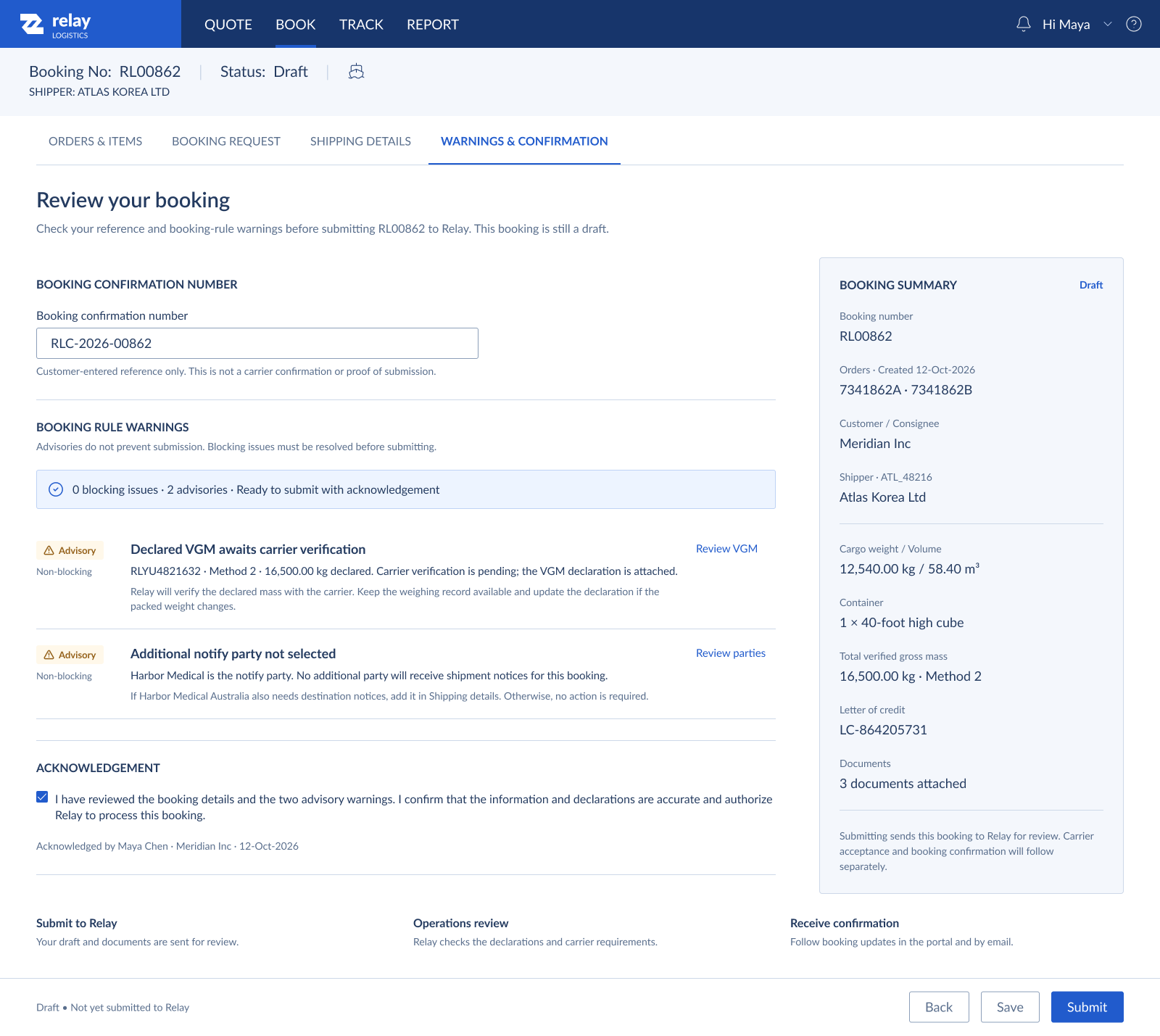
Led the end-to-end UX strategy to redesign a complex logistics booking system. Conducted competitor benchmarking, mapped information architecture, and managed agile stakeholders. Hand-coded high-fidelity interactive HTML mockups using a shared pattern library, customizing components where required, to deliver a seamless, best-in-class user flow that accelerated engineering deployment.
- Usability survey
- Competitor benchmarking
- Information architecture
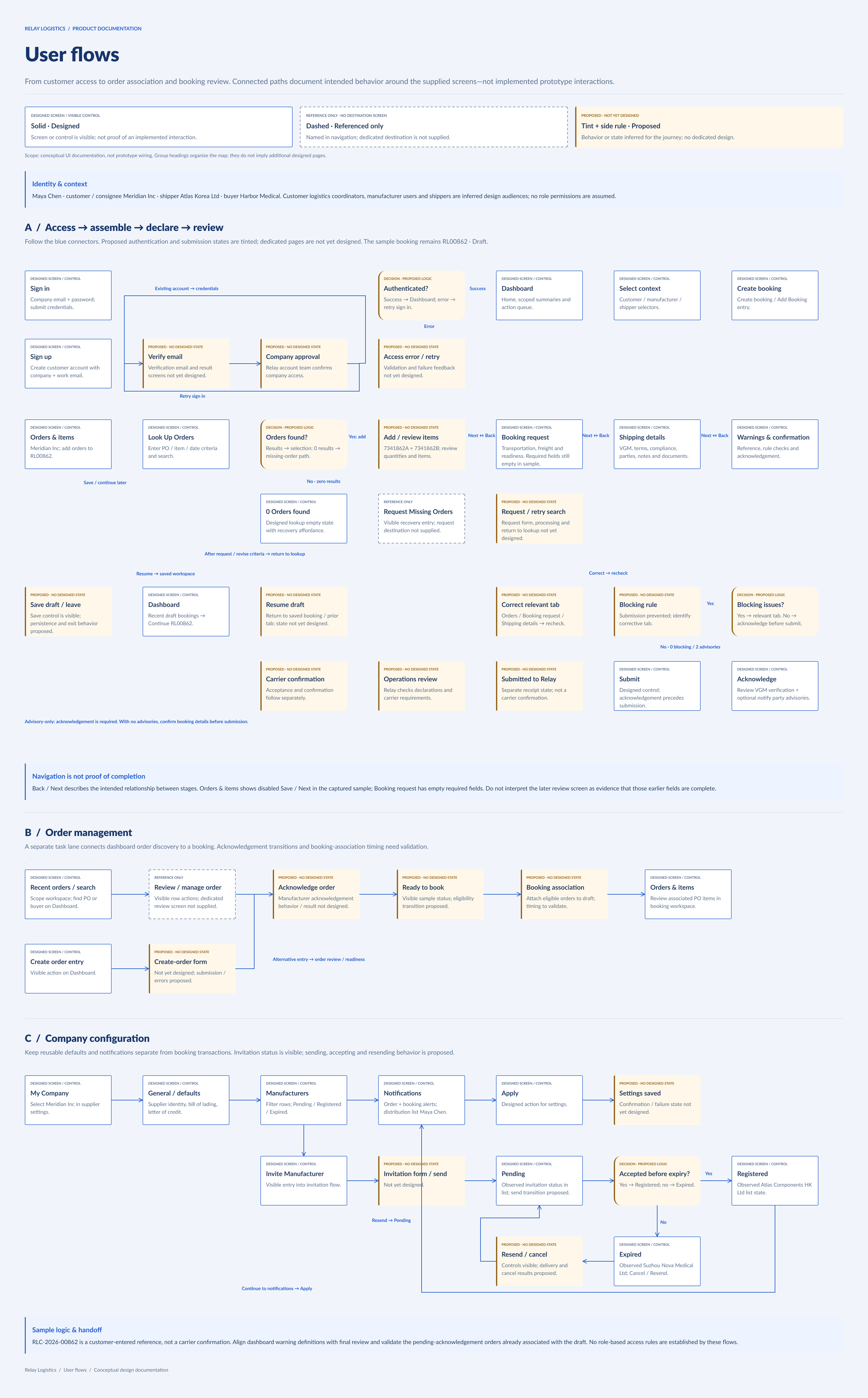
- User flows
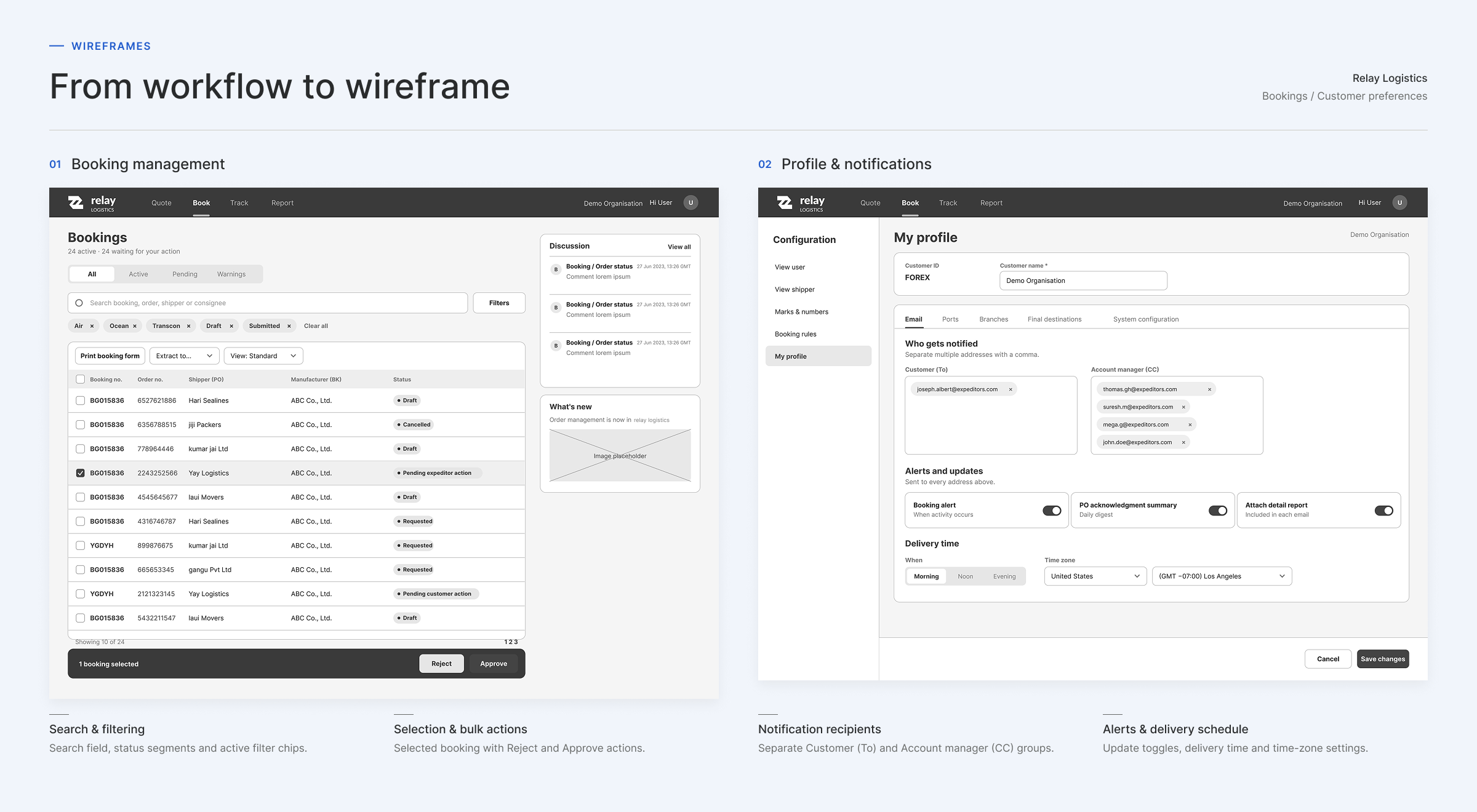
- Coded HTML mockups
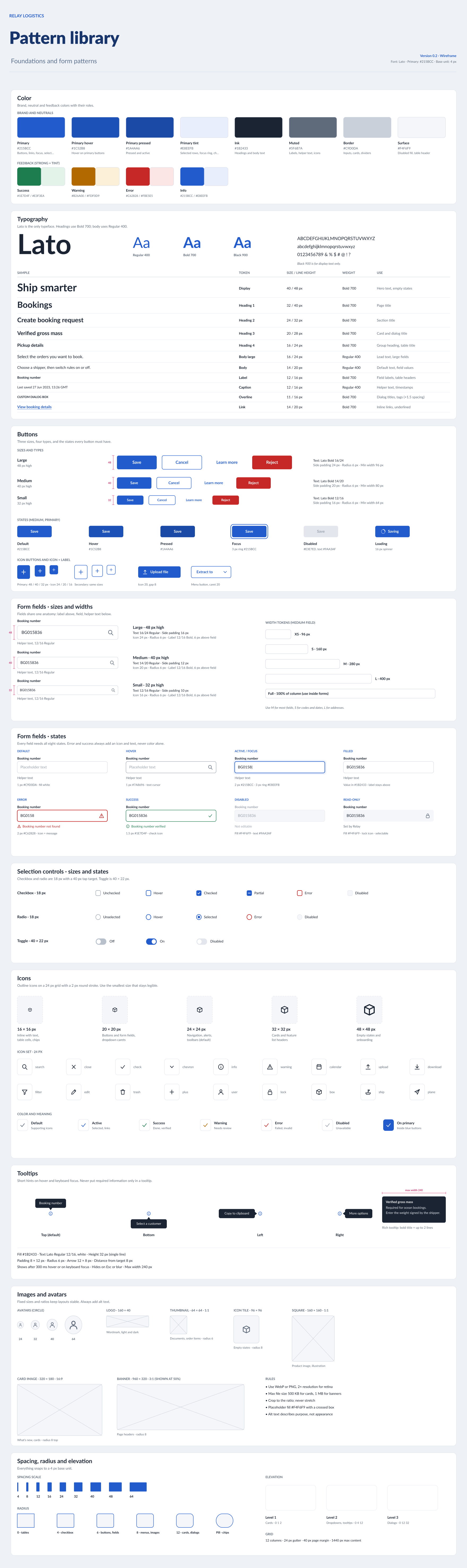
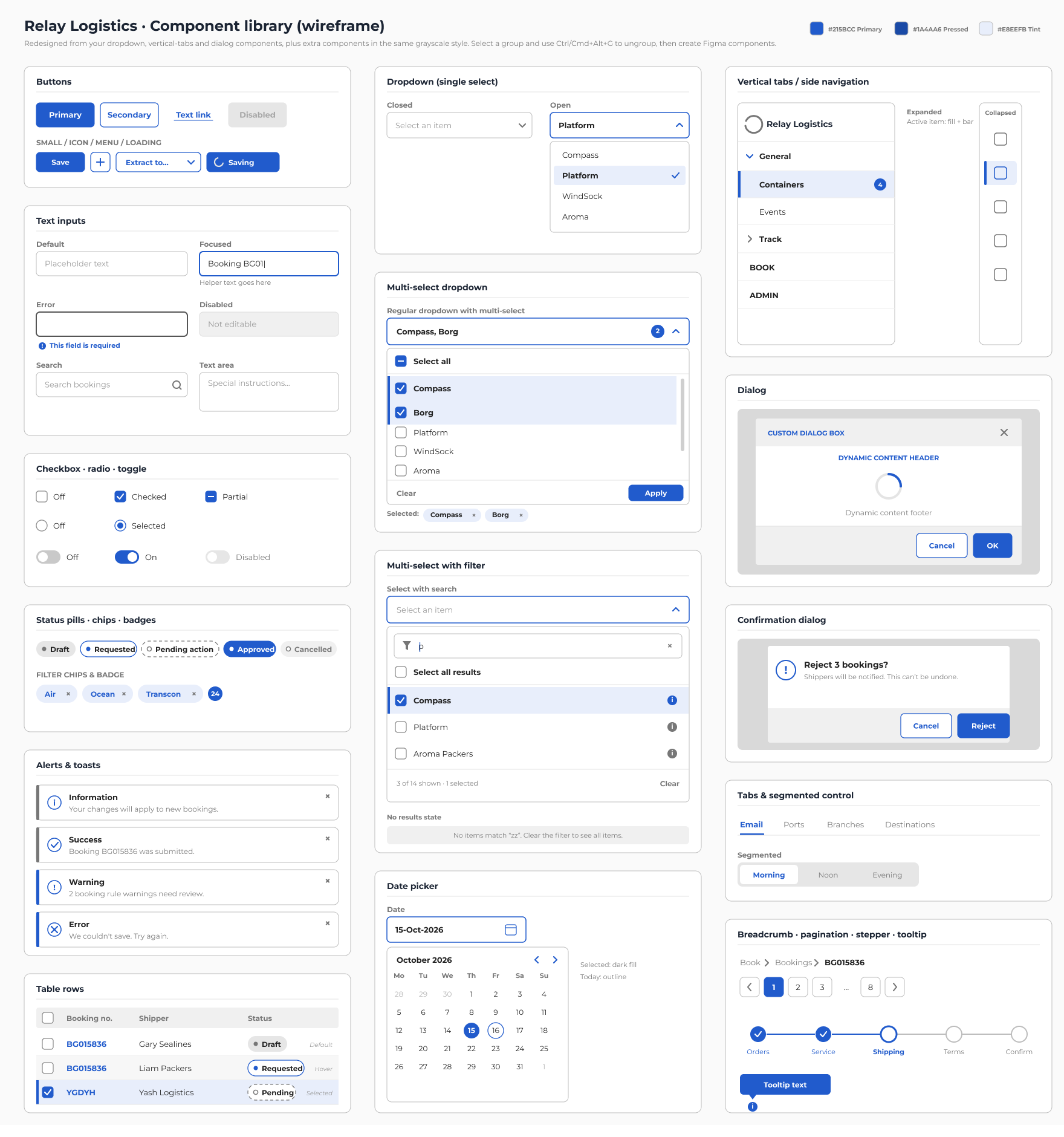
- Pattern library
The challenge
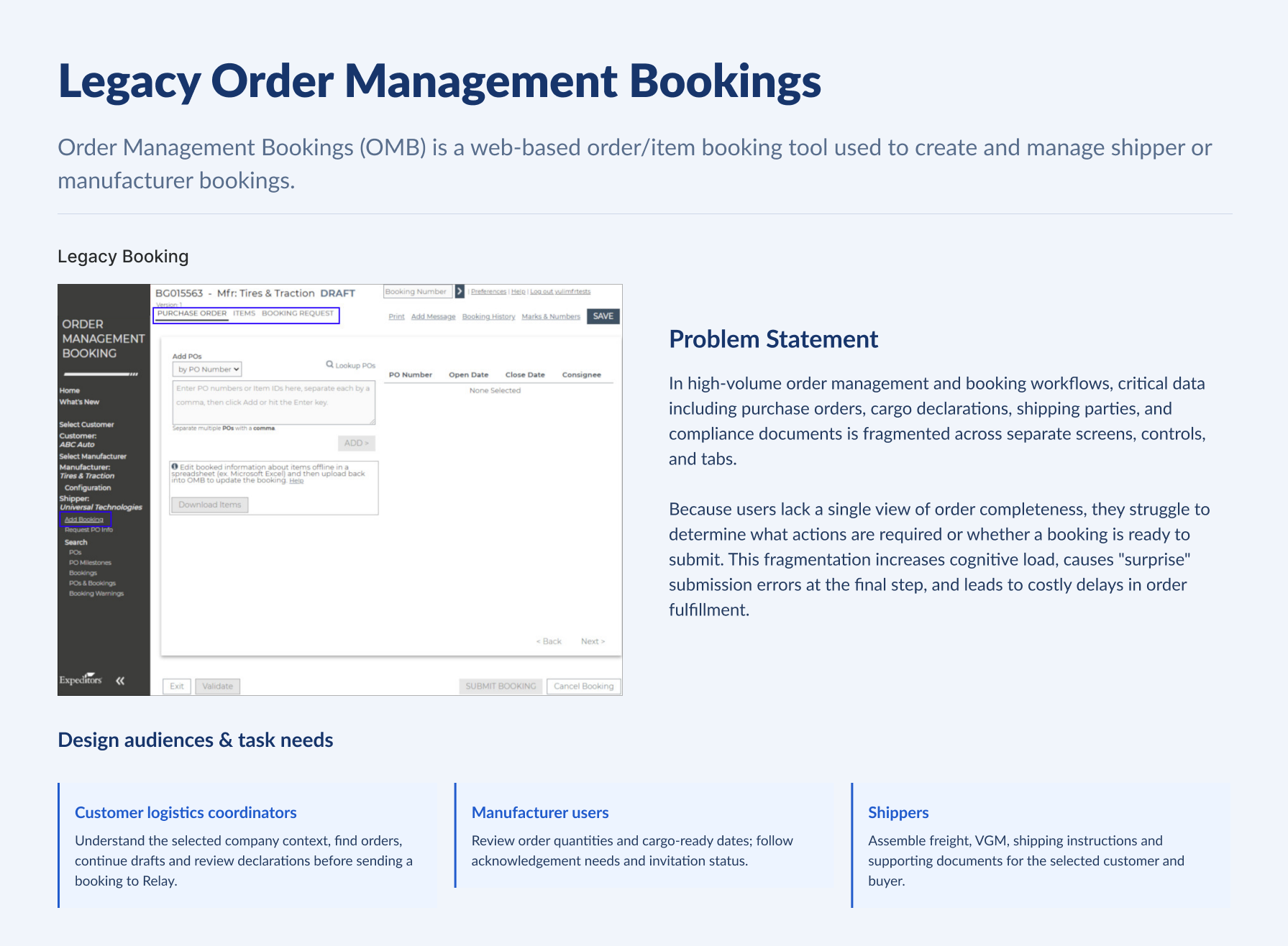
Redesign a complex, legacy logistics order management booking and configuration system to eliminate workflow friction and outperform market competitors.
The Discovery & Domain Research
The process kicked off with cross-functional desk research:
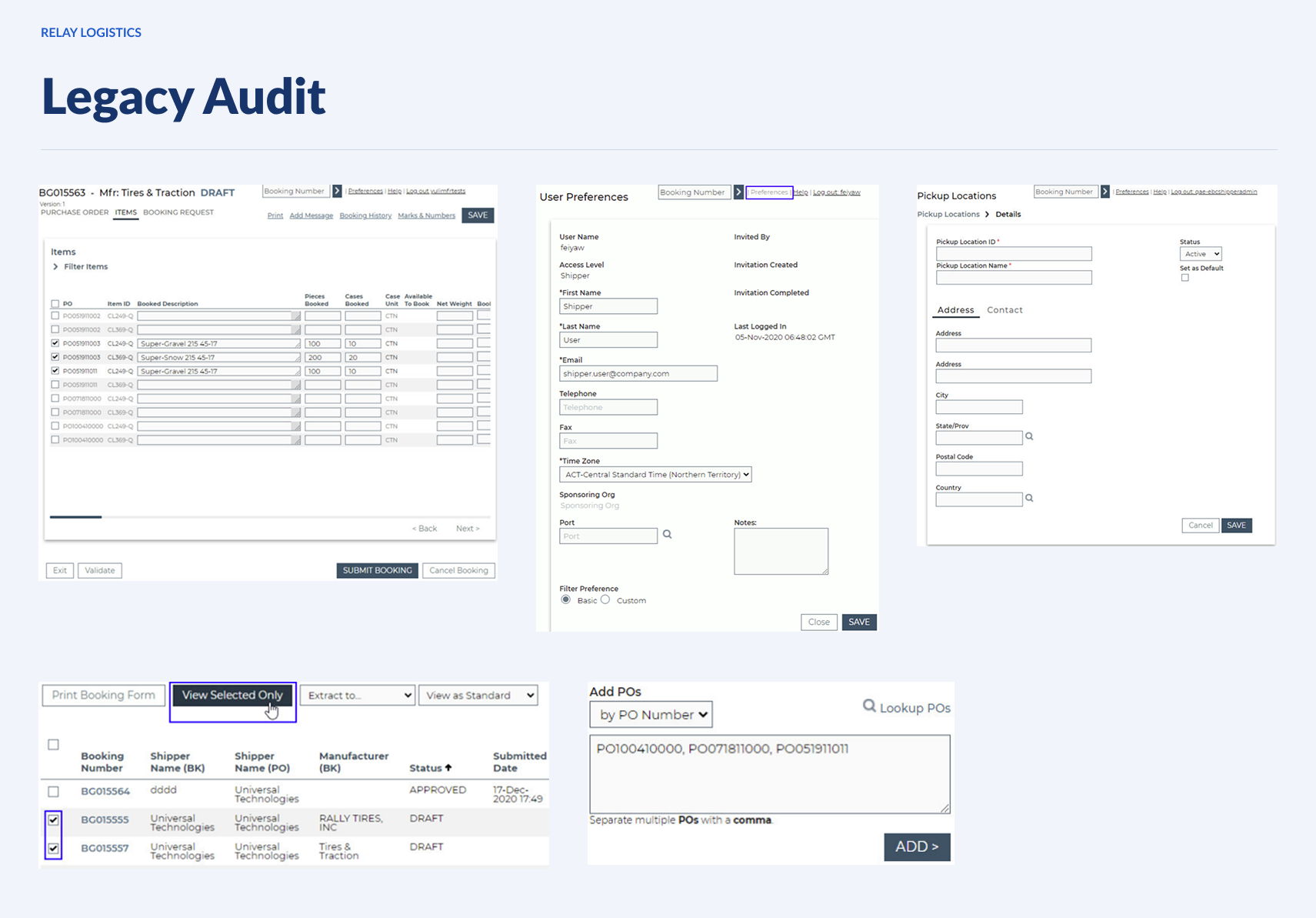
- Legacy Audit - Reviewed the current system to find exactly where slow, outdated designs were causing typing delays and backlogs for users.
- Alignment meetings- Held collaborative kickoff sessions with product managers, stakeholders, the project team, and lead engineers to ensure everyone was fully aligned on the project goals and technical constraints
Mixed-Method User Research
Studied our current user profiles to deeply understand what our users need, what they expect, and the busy environment they work in.
Competitor flows
Studied conventional navigation patterns to find common layouts and identify opportunities to improve the traditional, rigid way of booking logistics.
The strategy
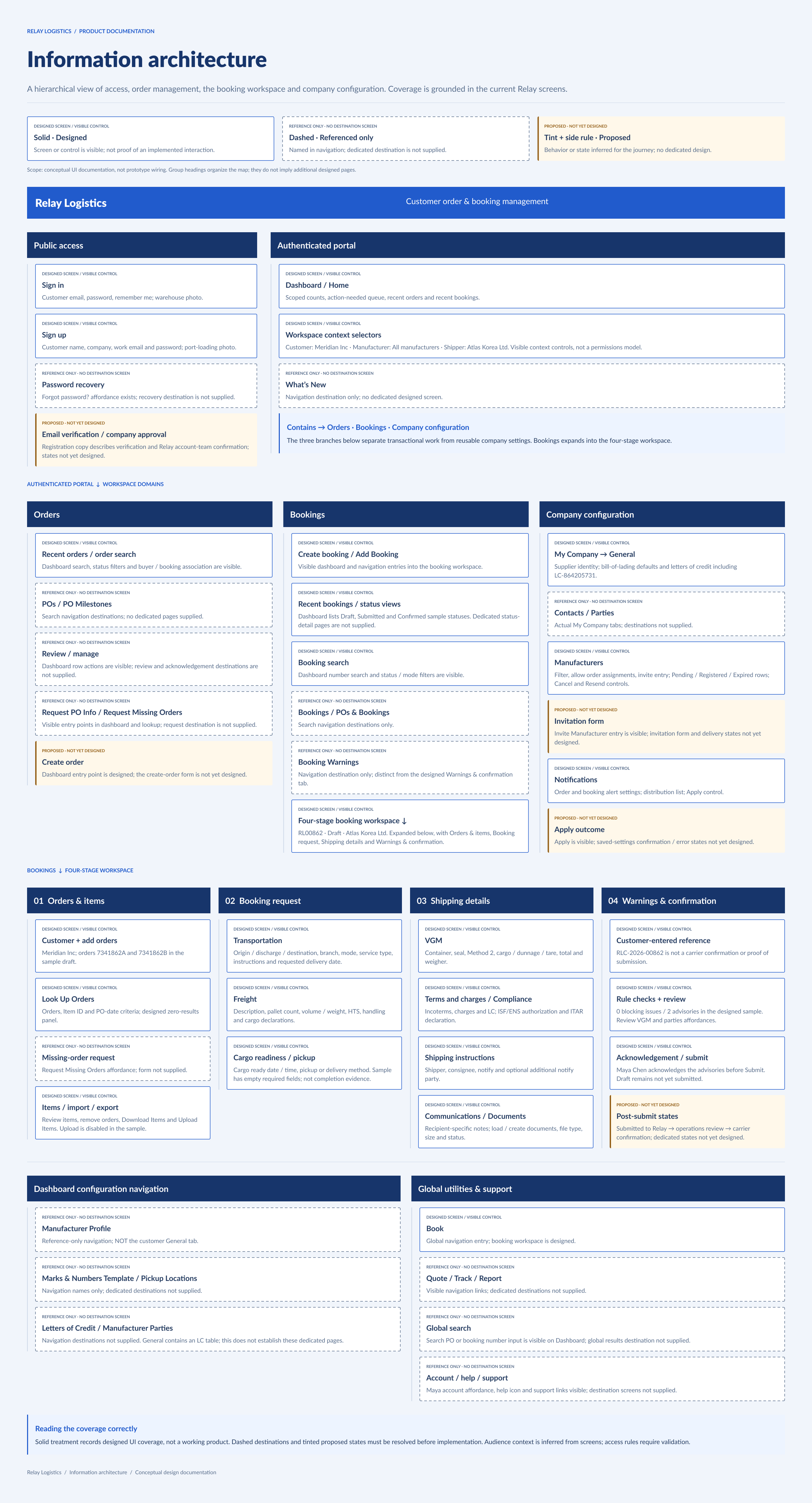
Managed stakeholder engagement and organized agile project teams to translate research insights into an optimized information architecture (IA) and streamlined user flows.
The execution
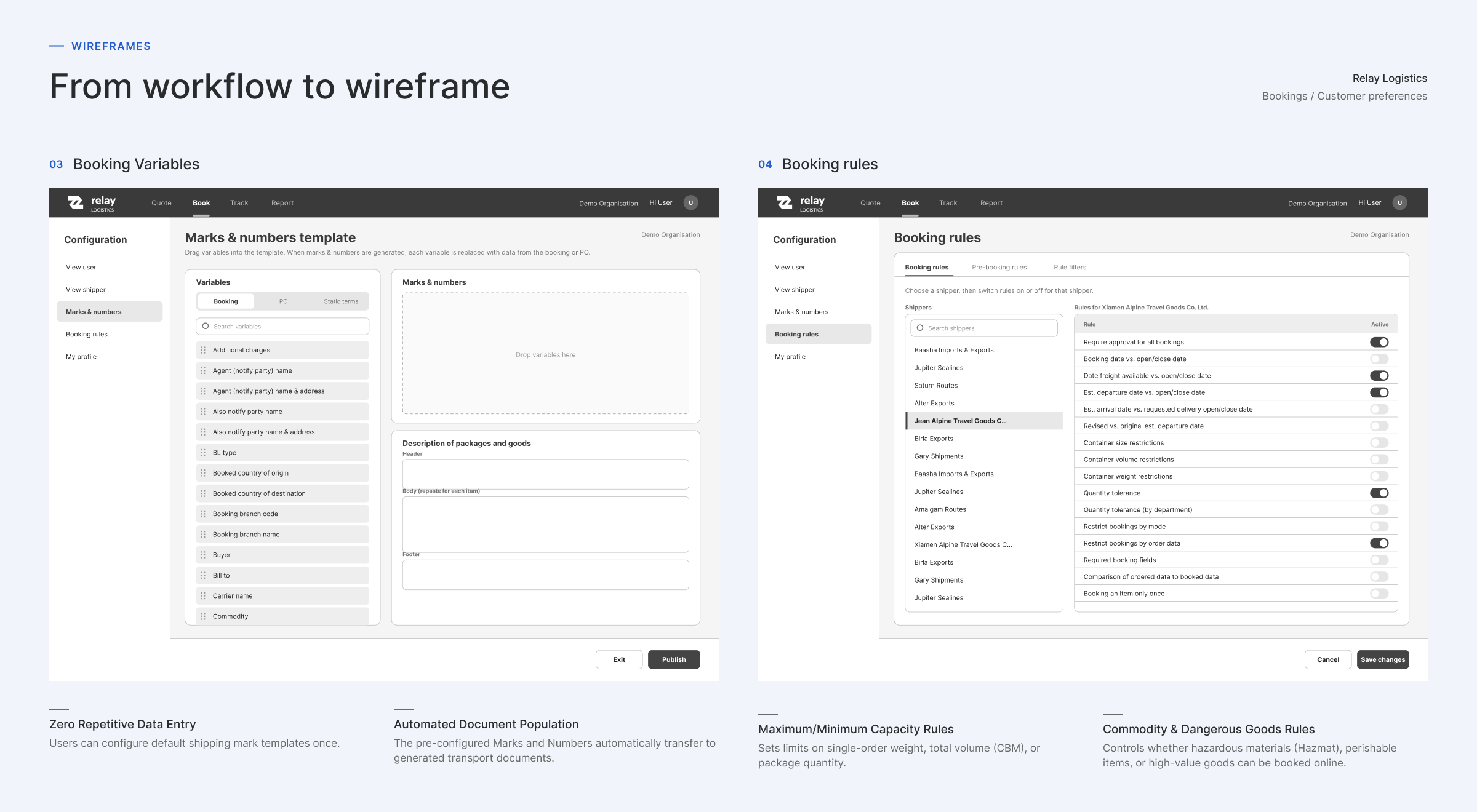
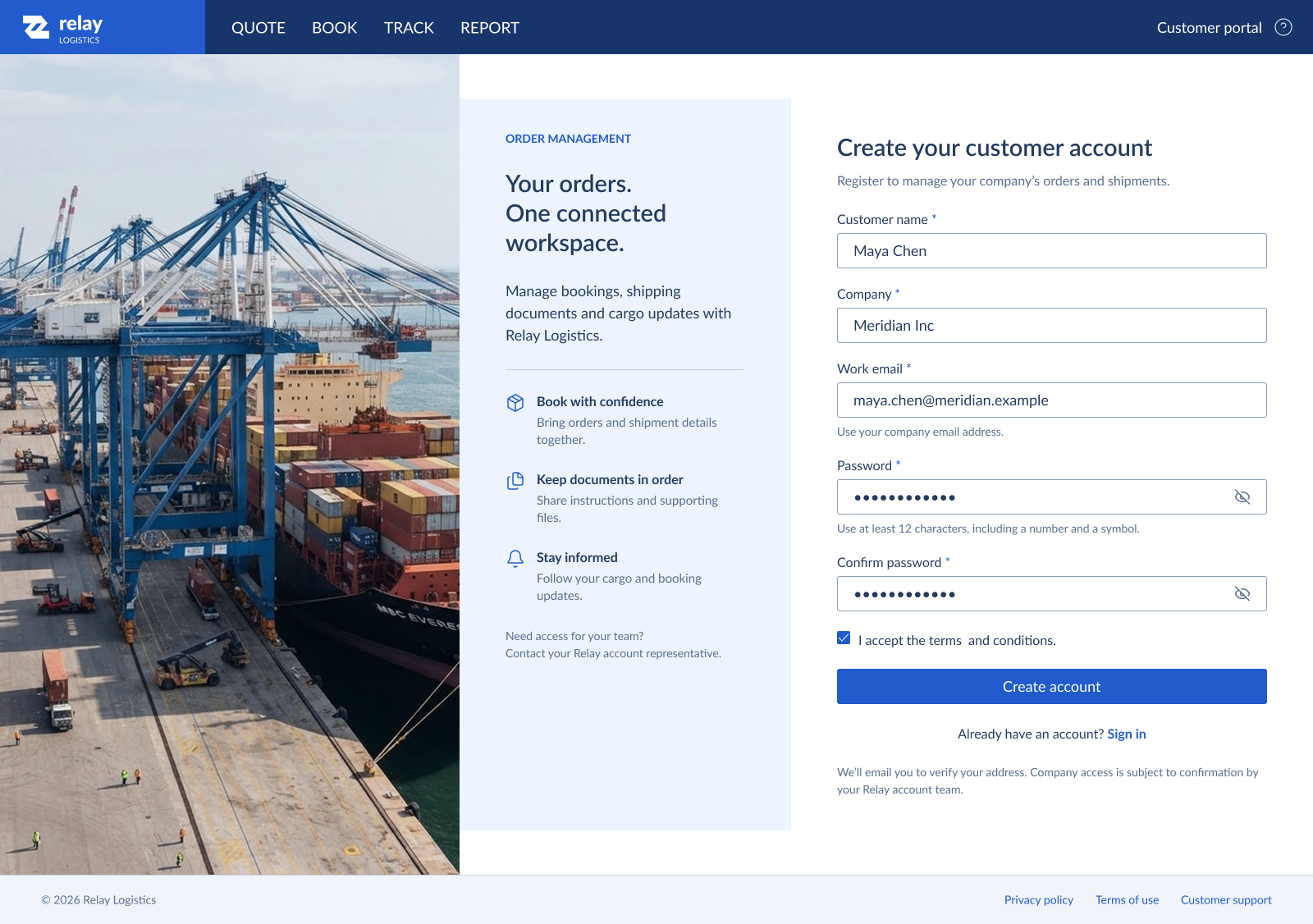
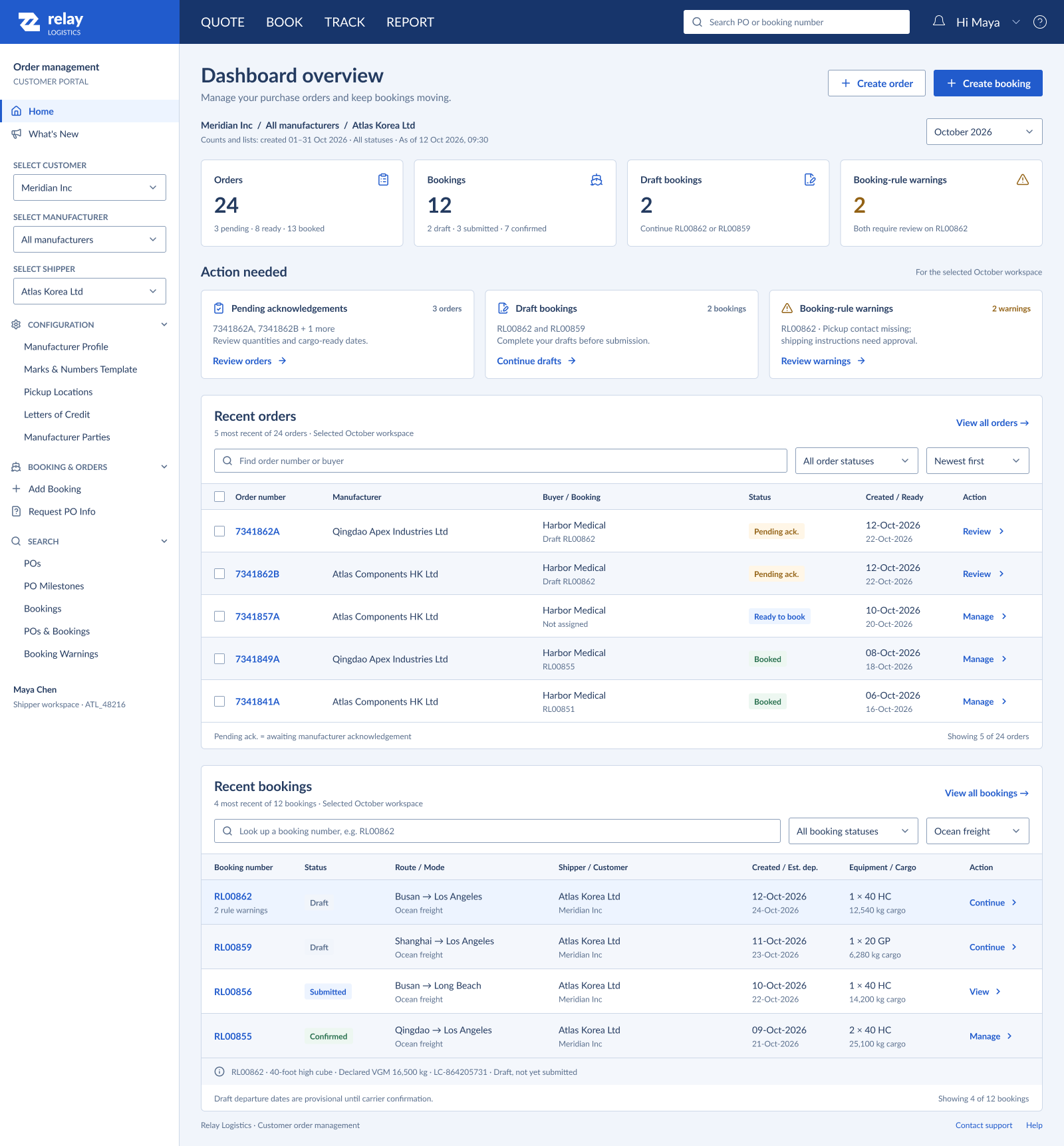
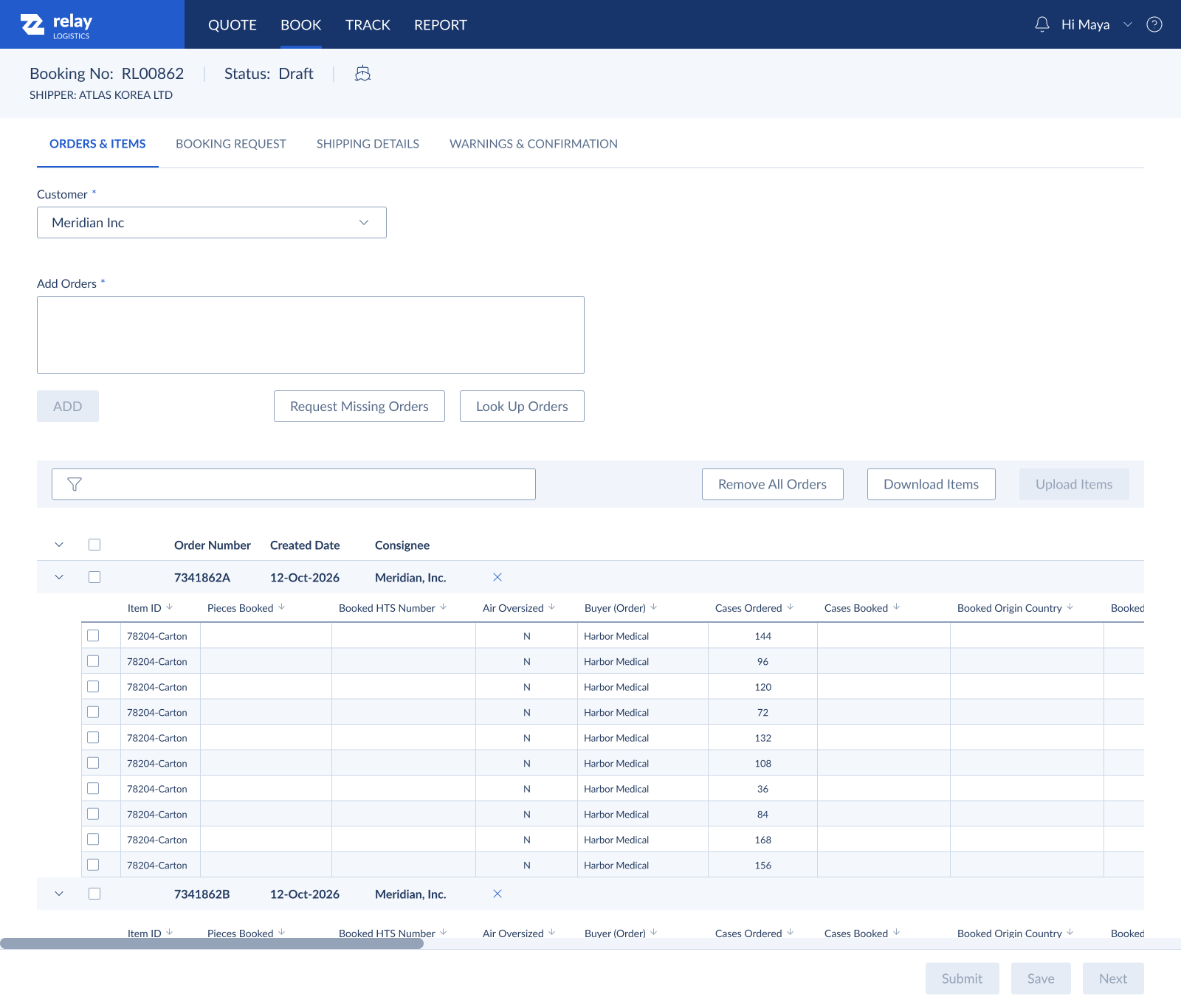
Hand-coded high-fidelity, interactive HTML mockups using an established pattern library, customizing components where required, to simulate complex configuration logic.
The impact
Delivered a seamless booking experience that significantly reduced user task times, replaced subjective feature debates with data-driven stakeholder alignment, and met business goals by accelerating engineering cycles and building a market-competing product.
Key outcomes
Easier for users
A seamless booking experience that significantly reduced task times.
Clearer for stakeholders
Data replaced subjective feature debates and brought everyone to the same page.
Faster for business
Accelerated engineering cycles and a product that competes in its market.